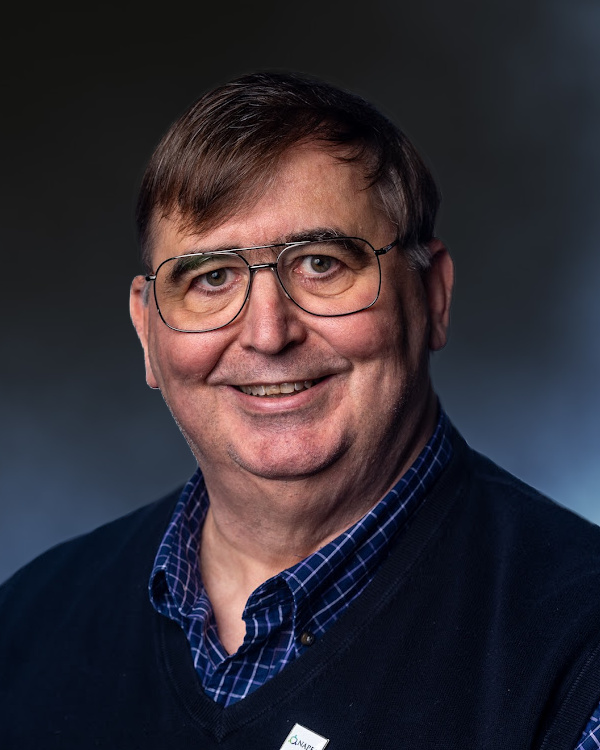
Ron A. Rhoades, JD, CFP®
Founder and Financial Advisor
Member, NAPFA and Fee-Only Network
Ron is a distinguished financial advisor, author, educator, and estate planning attorney (Member, The Florida Bar) with nearly four decades of combined experience. He earned his Juris Doctor with honors from the University of Florida College of Law and spent two decades practicing estate planning, transfer tax planning, and the formation and representation of closely held businesses. Seeing the need for his estate planning clients to have fiduciary financial advice, he became a Certified Financial Planner™ – spending over two decades as a fee-only, fiduciary advisor providing financial planning and investment advisory services. During that time, he also pursued his passion for teaching – becoming a professor of finance and an advocate for the fiduciary standard.
Today, Ron serves as an Associate Professor of Finance and Co-Director of the Personal Financial Planning Program at Western Kentucky University. He continues to advocate for fiduciary law as applied to financial services – serving on professional association boards, and task forces to further fiduciary understanding while also testifying before the U.S. Department of Labor and advocating to lawmakers on Capitol Hill. In 2020, he received The Tamar Frankel Fiduciary Prize, which acknowledges individuals who have made significant contributions to the preservation and advancement of fiduciary principles in public life.
His passion for explaining complex subjects through understandable means is reflected in numerous presentations at national and regional financial planning conferences, as well as his award for Faculty Award for Excellence in Teaching at Western Kentucky University, his two-time Teacher of the Year awards within the AACSB-accredited Gordon Ford College of Business, and the Gordon Ford College of Business Greek Professor of the Year, and the Honors Teaching Award for Teaching Honors Embedded Sections.
Get to Know Ron:
- When someone asks what you do at a party, how do you explain your role?
I help people build lives they actually want to live – which usually means getting their money and accumulated wealth to work in service of that life and the lives of others rather than the other way around. With my students, that looks like teaching; with my clients, it looks like planning. Both come down to the same thing: helping good people make better decisions about their future.
- In what ways has your upbringing shaped your views on money and planning?
I grew up in a household where every dollar had a job, and where stretching a budget was treated as a craft, not a hardship. That taught me to see myself as a steward of whatever resources come my way – and to take seriously the idea that a decision made today can echo decades into the future. It’s why long-horizon planning feels less like an abstract exercise to me and more like a responsibility.
- Did you have any interesting jobs or careers before becoming a financial advisor?
A few. I crossed the Atlantic under sail aboard the USCGC Eagle. I played the Tin Man at the Land of Oz, and traveled the U.S. and Europe — and worked at Walt Disney World — performing as Baloo, Goofy, Tigger, and a long list of other Disney characters. From there I moved behind the scenes as a production assistant and stage manager. Eventually I traded the costumes and headsets for law books and became an estate planning and tax attorney. Every one of those roles, oddly enough, taught me something I still use with clients today – how to read an audience, how to keep calm when the script goes sideways, the power of deductive reasoning, and how to translate complexity into something people can actually grasp.
- You emphasize being a university educator in finance. How does that bring a unique perspective to your clients?
Teaching forces you to truly understand a subject and to always stay current. I’ve spent years learning how to take complicated financial concepts apart, find the heart of them, and explain them in a way that genuinely lands. Clients benefit from the same skill. They don’t just walk away with a plan; they walk away understanding why the plan makes sense for them.
- How do you stay involved and give back to your community?
I serve my university through several committees and the fellowships I’ve been honored to receive, and I stay active in the broader profession – most notably on the CFP Board’s Standards Resource Commission, which shapes the ethical guidance that CFP professionals are held to. Giving back, to me, isn’t a side activity; it’s part of the job. The profession only stays trustworthy if its practitioners keep investing in it.
Follow Ron on LinkedIn:


